The New Modding Hustle: How Young Creators Turned Android Customization Into a Real Career
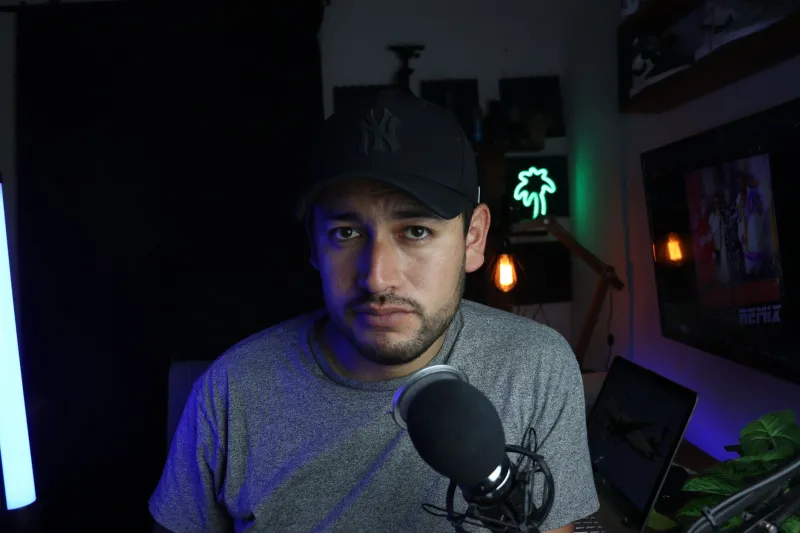
Not that long ago, Android modding was a distinctly underground pursuit. You found your way to XDA Developers through a Google rabbit hole, downloaded a custom ROM at 2 a.m., bricked your phone once, fixed it, and considered yourself initiated. The knowledge was shared in forum threads, the community was tight-knit and nerdy, and the idea of making money from any of it would've seemed absurd.
That world still exists. But sitting right next to it now is something completely different: a generation of creators who learned to mod Android the same way they learned everything else — through YouTube, TikTok, and Discord — and who figured out, almost accidentally, that people would pay for what they know.
From Hobby to Hustle
The shift didn't happen overnight, and it didn't happen because anyone planned it. What happened is that the creator economy grew large enough to absorb niche technical communities, and modding turned out to be a perfect fit. The content is visual, the results are dramatic, and the audience — people frustrated with bloated stock Android experiences — is massive.
Creators who started posting modding content five or six years ago were mostly doing it for clout within the community. Views were modest, comments were technical, and monetization wasn't really the point. Then a few things converged: YouTube's algorithm started rewarding longer technical tutorials, Patreon gave niche creators a viable subscription model, and Discord became the infrastructure for building tight communities around specific interests.
Suddenly, a creator who knew how to debloat a Samsung Galaxy and walk viewers through the process step by step had a product. Not just a video — a whole ecosystem. A YouTube channel for reach, a Discord for community, a Patreon for the deep-dive tutorials and early access to new mods. The pieces fit together.
Building an Audience That Actually Pays
What separates the modding creators who've built sustainable income from those who burned out is usually the same thing that separates any successful content creator: they stopped making content for themselves and started making it for a specific person.
The most successful creators in this space identified a user who was frustrated — maybe with carrier bloat, maybe with aggressive in-app purchases, maybe just with the feeling that their phone was working against them instead of for them — and made content that directly addressed that frustration. The modding knowledge was the vehicle. The audience's desire to feel in control of their technology was the fuel.
Creators who've built six-figure subscriber counts in this niche tend to share a few characteristics. They're consistent. They keep up with Android version updates so their tutorials stay relevant. They engage in their Discord servers genuinely, not just as a promotional channel. And they're transparent about what mods are risky versus routine, which builds the kind of trust that converts viewers into paying Patreon supporters.
Patreon tiers in the modding creator space typically range from a few dollars a month for early access to content, up to $15–25 for personalized help, exclusive mod releases, and one-on-one troubleshooting sessions. For creators with 50,000+ engaged subscribers, the math starts to work out to real income.
The Community Is the Product
Here's something interesting about the modding creator economy specifically: the Discord community isn't just a marketing channel — it's often the core of the value proposition. A modded APK that breaks after an app update is useless on its own. A community of thousands of users who collectively troubleshoot, share fixes, and test new releases turns that APK into a living, maintained product.
Smart creators figured this out early. They positioned themselves not just as tutorial makers but as community managers — the person who keeps the knowledge organized, the troubleshooting accessible, and the conversation moving. That role is genuinely valuable, and users who've been helped by a community are far more likely to support it financially than passive video viewers.
This community-first approach also creates a natural content pipeline. Questions in Discord become tutorial videos. Troubleshooting threads become FAQ posts. Community members with expertise get spotlighted, which builds loyalty and keeps the community producing knowledge rather than just consuming it.
The Legitimacy Question
Not everyone is comfortable with the commercialization of modding culture. There's a strain of old-school community thinking that views the monetization of mod releases as a betrayal of the open-source, share-everything ethos that built the scene. If someone profits from modding an app they didn't build, is that exploitative?
It's a fair tension to sit with. But most creators in this space aren't selling mods themselves — they're selling knowledge, community access, and their time. The actual modified APKs, in most cases, are still freely distributed. What's monetized is the ecosystem around them: the tutorials, the support, the curated release notes, the Discord where someone will actually help you when things go sideways.
That's not so different from how open-source software has always worked. The code is free. The expertise costs money.
What This Looks Like Going Forward
The modding creator space is still relatively uncrowded compared to gaming or lifestyle content. There's room for creators who can find a specific device niche, a specific use case, or a specific underserved audience — Spanish-language Android modding content, for example, is dramatically underleveraged given the size of that potential audience in the US.
What's clear is that the underground-hobby-to-creator-career pipeline is real and it's working. Gen Z didn't wait for the modding scene to become legitimate. They just started making content, built communities, and let the audience decide what it was worth. Turns out, knowing how to unlock Android is worth quite a bit.